The best Wii U games
We ranked 207 Nintendo Wii U games that have at least 10 player ratings on IGDB. The Legend of Zelda: Breath of the Wild (2017) comes out on top with an average of 95/100 from 3,004 players. Hidden gem: Shovel Knight: Specter of Torment makes #35 with only 50 ratings. The list covers releases from 2012 to 2019.
Make your “My 9 Wii U games” grid →- 1
 The Legend of Zelda: Breath of the Wild2017 · WiiU, Switch953,004 ratings
- 2
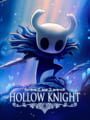 Hollow Knight2017 · WiiU, Series X|S, PS4922,250 ratings
- 3
 Stardew Valley2016 · WiiU, PS4, Linux881,839 ratings
- 4
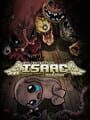 The Binding of Isaac: Rebirth2014 · WiiU, PS4, Linux90556 ratings
- 5
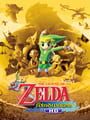 The Legend of Zelda: The Wind Waker HD2013 · WiiU90401 ratings
- 6
 Mario Kart 82014 · WiiU89689 ratings
- 7
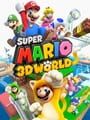 Super Mario 3D World2013 · WiiU89448 ratings
- 8
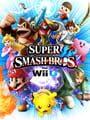 Super Smash Bros. for Wii U2014 · WiiU89341 ratings
- 9
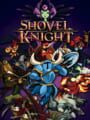 Shovel Knight2014 · WiiU, PS3, PS487545 ratings
- 10
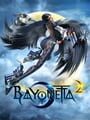 Bayonetta 22014 · WiiU, Switch89259 ratings
- 11
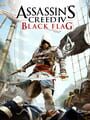 Assassin's Creed IV Black Flag2013 · WiiU, Stadia, PS3841,816 ratings
- 12
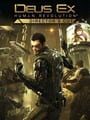 Deus Ex: Human Revolution - Director's Cut2013 · WiiU, PS3, PC89168 ratings
- 13
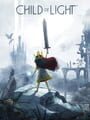 Child of Light2014 · WiiU, Stadia, PS385384 ratings
- 14
 Kerbal Space Program2015 · WiiU, PS4, Linux86216 ratings
- 15
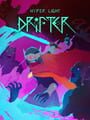 Hyper Light Drifter2016 · WiiU, PS4, Linux85267 ratings
- 16
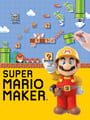 Super Mario Maker2015 · WiiU85215 ratings
- 17
 Metro: Last Light2013 · WiiU, PS3, Linux81738 ratings
- 18
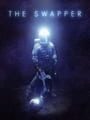 The Swapper2013 · WiiU, PS3, PS484193 ratings
- 19
 Donkey Kong Country: Tropical Freeze2014 · WiiU85166 ratings
- 20
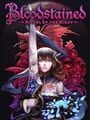 Bloodstained: Ritual of the Night2019 · WiiU, Stadia, PS482223 ratings
- 21
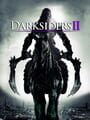 Darksiders II2012 · WiiU, PS3, PC82315 ratings
- 22
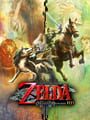 The Legend of Zelda: Twilight Princess HD2016 · WiiU85121 ratings
- 23
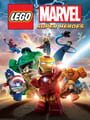 LEGO Marvel Super Heroes2013 · WiiU, PS3, PS481275 ratings
- 24
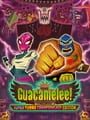 Guacamelee! Super Turbo Championship Edition2014 · WiiU, PS4, PC83136 ratings
- 25
 SteamWorld Heist2015 · WiiU, Stadia, PS484116 ratings
- 26
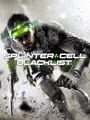 Tom Clancy's Splinter Cell: Blacklist2013 · WiiU, PS3, PC80355 ratings
- 27
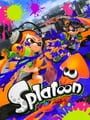 Splatoon2015 · WiiU81168 ratings
- 28
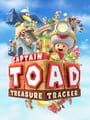 Captain Toad: Treasure Tracker2014 · WiiU81139 ratings
- 29
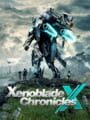 Xenoblade Chronicles X2015 · WiiU8391 ratings
- 30
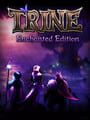 Trine Enchanted Edition2014 · WiiU, PS4, Linux8564 ratings
- 31
 Axiom Verge2015 · WiiU, PS4, Linux80170 ratings
- 32
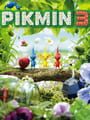 Pikmin 32013 · WiiU8390 ratings
- 33
 Assassin's Creed III2012 · WiiU, PS3, PC771,514 ratings
- 34
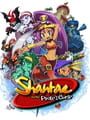 Shantae and the Pirate's Curse2014 · WiiU, Stadia, PS481108 ratings
- 35
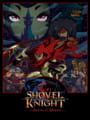 Shovel Knight: Specter of Torment2017 · WiiU, PS3, PS48650 ratings
- 36
 Watch Dogs2014 · WiiU, Stadia, PS3771,176 ratings
- 37
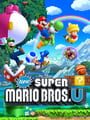 New Super Mario Bros. U2012 · WiiU79194 ratings
- 38
 Sonic & All-Stars Racing Transformed2012 · WiiU, PS3, Android80162 ratings
- 39
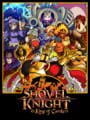 Shovel Knight: King of Cards2019 · WiiU, FireTV, PS39230 ratings
- 40
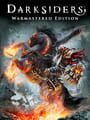 Darksiders: Warmastered Edition2016 · WiiU, Series X|S, PS479122 ratings
- 41
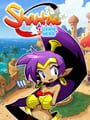 Shantae: Half-Genie Hero2016 · WiiU, PS4, PC8175 ratings
- 42
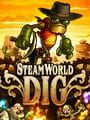 SteamWorld Dig2013 · WiiU, Stadia, PS477240 ratings
- 43
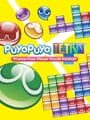 Puyo Puyo Tetris2014 · WiiU, PS3, PS48265 ratings
- 44
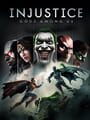 Injustice: Gods Among Us2013 · WiiU, PS3, X36076357 ratings
- 45
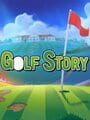 Golf Story2017 · WiiU, Switch8252 ratings
- 46
 LEGO Batman 2: DC Super Heroes2012 · WiiU, PS3, Wii77166 ratings
- 47
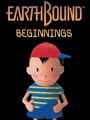 EarthBound Beginnings2015 · WiiU, NES, Switch8155 ratings
- 48
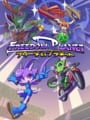 Freedom Planet2014 · WiiU, PS4, Linux8054 ratings
- 49
 Race the Sun2013 · WiiU, PS3, PS47969 ratings
- 50
 Severed2016 · WiiU, 3DS, iOS8141 ratings
About the best Wii U games
The 50 best Wii U games, ranked by IGDB player ratings. The Legend of Zelda: Breath of the Wild (2017) tops the list with 95/100, ahead of Hollow Knight (92) and Stardew Valley (88). If you only play ten of the best Wii U games, make it The Legend of Zelda: Breath of the Wild, Hollow Knight, Stardew Valley, The Binding of Isaac: Rebirth, The Legend of Zelda: The Wind Waker HD, Mario Kart 8, Super Mario 3D World, Super Smash Bros. for Wii U, Shovel Knight and Bayonetta 2.
Wii U games FAQ
What is the best Wii U game of all time?
By player ratings, The Legend of Zelda: Breath of the Wild (2017): an average of 95/100 from 3,004 players. Hollow Knight (2017) and Stardew Valley (2016) complete the top three of the best Wii U games.
How are the best Wii U games ranked?
Each game's IGDB player rating is weighted by how many people rated it (a Bayesian average with a prior of 100 ratings), so a classic rated by thousands beats a game with a handful of perfect scores. Games need at least 10 ratings, and re-releases count toward the original.
Which of the best Wii U games is the most played?
The Legend of Zelda: Breath of the Wild (2017) has the most player ratings on this list (3,004), a good sign of how many people played it.
Which Wii U games are underrated?
The games on this list with the fewest ratings are Shovel Knight: King of Cards (2019), Severed (2016) and Shovel Knight: Specter of Torment (2017). They made the top 50 on score, but far fewer players have tried them.
Which year had the most of the best Wii U games?
2014, with 14 games in the top 50. The list spans 2012 to 2019, and 12 of the 50 came out in the second half of that span.
How do I make a grid of my favorite Wii U games?
Open the grid maker with a “My 9 Wii U games” title, search each game by name (shorthands like “botw” work) or roll nine from this list at random, then download or share the 3×3 grid.
How this list is ranked: IGDB player ratings, weighted by how many people rated each game (a Bayesian average with a prior of 100 ratings), so a game with a handful of perfect scores doesn't outrank a classic rated by thousands. Only games with at least 10 ratings; editions and re-releases are folded into the original. Numbers shown are the raw average rating (0–100) and the rating count.