The best N64 games
We ranked 147 Nintendo 64 games that have at least 10 player ratings on IGDB. The Legend of Zelda: Ocarina of Time (1998) comes out on top with an average of 92/100 from 2,169 players. Hidden gem: Harvest Moon 64 makes #19 with only 35 ratings. The list covers releases from 1996 to 2019.
Make your “My 9 N64 games” grid →- 1
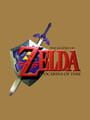 The Legend of Zelda: Ocarina of Time1998 · N64, Wii, 64DD922,169 ratings
- 2
 Super Mario 641996 · N64, Wii, WiiU892,080 ratings
- 3
 The Legend of Zelda: Majora's Mask2000 · N64, Wii, 64DD88875 ratings
- 4
 Paper Mario2000 · N64, Wii, WiiU89279 ratings
- 5
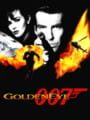 GoldenEye 0071997 · N6487421 ratings
- 6
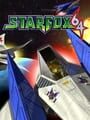 Star Fox 641997 · N64, Wii, WiiU86282 ratings
- 7
 Super Smash Bros.1999 · N64, Wii83474 ratings
- 8
 Tomb Raider1996 · N64, PS3, PC83482 ratings
- 9
 Banjo-Tooie2000 · N6486178 ratings
- 10
 Rayman 2: The Great Escape1999 · N6485208 ratings
- 11
 Mario Kart 641996 · N64, Wii, WiiU82609 ratings
- 12
 Worms Armageddon1999 · N64, PS3, PC83367 ratings
- 13
 Banjo-Kazooie1998 · N6482371 ratings
- 14
 Conker's Bad Fur Day2001 · N6482150 ratings
- 15
 FIFA: Road to World Cup 981997 · N64, PC, PS182124 ratings
- 16
 Grand Theft Auto1997 · N64, PS3, PC77502 ratings
- 17
 Perfect Dark2000 · N6479178 ratings
- 18
 FIFA 991998 · N64, PC, PS180118 ratings
- 19
 Harvest Moon 641999 · N64, WiiU9035 ratings
- 20
 F-Zero X1998 · N64, Wii, WiiU79116 ratings
- 21
 Mario Party 21999 · N64, Wii, 64DD78146 ratings
- 22
 Mario Golf1999 · N64, Wii, WiiU8164 ratings
- 23
 World Cup 981998 · N64, PC, PS18636 ratings
- 24
 Re-Volt1999 · N64, Arcade, Android78112 ratings
- 25
 Pokémon Snap1999 · N64, Wii, 64DD76254 ratings
- 26
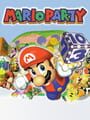 Mario Party1998 · N6476185 ratings
- 27
 Mario Tennis2000 · N64, Wii, WiiU77134 ratings
- 28
 Indiana Jones and the Infernal Machine1999 · N64, PC, PS18436 ratings
- 29
 Jet Force Gemini1999 · N648056 ratings
- 30
 Tom Clancy's Rainbow Six1998 · N64, PS3, PC7880 ratings
- 31
 Star Wars: Rogue Squadron1998 · N64, PC76130 ratings
- 32
 Blast Corps1997 · N648238 ratings
- 33
 Kirby 64: The Crystal Shards2000 · N64, Wii, WiiU76122 ratings
- 34
 Doom 641997 · N647790 ratings
- 35
 Vigilante 8: 2nd Offense1999 · N64, PS1, DC8140 ratings
- 36
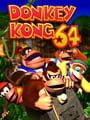 Donkey Kong 641999 · N64, WiiU74191 ratings
- 37
 Mario Party 32000 · N6475113 ratings
- 38
 WWF No Mercy2000 · N647932 ratings
- 39
 WWF Attitude1999 · N64, PS1, DC7931 ratings
- 40
 International Superstar Soccer 641997 · N647733 ratings
- 41
 40 Winks1999 · N64, browser, PS38022 ratings
- 42
 Tetrisphere1997 · N648414 ratings
- 43
 Turok: Dinosaur Hunter1997 · N64, PC7492 ratings
- 44
 NFL Blitz1997 · N64, Arcade, PC8021 ratings
- 45
 Space Invaders1999 · N64, PS3, PC8216 ratings
- 46
 Pokémon Stadium1999 · N6473294 ratings
- 47
 Major League Baseball Featuring Ken Griffey Jr.1998 · N648510 ratings
- 48
 Wave Race 641996 · N64, WiiU7391 ratings
- 49
 Frogger 2: Swampy's Revenge2000 · N64, PC, PS18015 ratings
- 50
 Yoshi's Story1997 · N64, Wii, WiiU73114 ratings
About the best N64 games
The 50 best N64 games, ranked by IGDB player ratings. The Legend of Zelda: Ocarina of Time (1998) tops the list with 92/100, ahead of Super Mario 64 (89) and The Legend of Zelda: Majora's Mask (88). If you only play ten of the best N64 games, make it The Legend of Zelda: Ocarina of Time, Super Mario 64, The Legend of Zelda: Majora's Mask, Paper Mario, GoldenEye 007, Star Fox 64, Super Smash Bros., Tomb Raider, Banjo-Tooie and Rayman 2: The Great Escape.
N64 games FAQ
What is the best N64 game of all time?
By player ratings, The Legend of Zelda: Ocarina of Time (1998): an average of 92/100 from 2,169 players. Super Mario 64 (1996) and The Legend of Zelda: Majora's Mask (2000) complete the top three of the best N64 games.
How are the best N64 games ranked?
Each game's IGDB player rating is weighted by how many people rated it (a Bayesian average with a prior of 100 ratings), so a classic rated by thousands beats a game with a handful of perfect scores. Games need at least 10 ratings, and re-releases count toward the original.
Which of the best N64 games is the most played?
The Legend of Zelda: Ocarina of Time (1998) has the most player ratings on this list (2,169), a good sign of how many people played it.
Which N64 games are underrated?
The games on this list with the fewest ratings are Major League Baseball Featuring Ken Griffey Jr. (1998), Tetrisphere (1997) and Frogger 2: Swampy's Revenge (2000). They made the top 50 on score, but far fewer players have tried them.
Which year had the most of the best N64 games?
1999, with 16 games in the top 50. The list spans 1996 to 2001, and 26 of the 50 came out in the second half of that span.
How do I make a grid of my favorite N64 games?
Open the grid maker with a “My 9 N64 games” title, search each game by name (shorthands like “botw” work) or roll nine from this list at random, then download or share the 3×3 grid.
How this list is ranked: IGDB player ratings, weighted by how many people rated each game (a Bayesian average with a prior of 100 ratings), so a game with a handful of perfect scores doesn't outrank a classic rated by thousands. Only games with at least 10 ratings; editions and re-releases are folded into the original. Numbers shown are the raw average rating (0–100) and the rating count.