The best SNES games
We ranked 300 Super Nintendo (SNES) games that have at least 10 player ratings on IGDB. Super Mario World (1990) comes out on top with an average of 96/100 from 2,041 players. Hidden gem: Trials of Mana makes #21 with only 53 ratings. The list covers releases from 1990 to 2019.
Make your “My 9 SNES games” grid →- 1
 Super Mario World1990 · SNES, SFAM, Arcade962,041 ratings
- 2
 The Legend of Zelda: A Link to the Past1991 · SNES, SFAM, Wii961,726 ratings
- 3
 Super Metroid1994 · SNES, SFAM, Wii961,081 ratings
- 4
 Final Fantasy III1994 · SNES, SFAM, Wii95769 ratings
- 5
 Super Mario World 2: Yoshi's Island1995 · SNES, SFAM94729 ratings
- 6
 Chrono Trigger1995 · SNES, SFAM, Wii921,391 ratings
- 7
 EarthBound1994 · SNES, SFAM, WiiU91574 ratings
- 8
 Super Mario Kart1992 · SNES, SFAM, Wii86460 ratings
- 9
 Super Mario RPG: Legend of the Seven Stars1996 · SNES, SFAM, Wii88236 ratings
- 10
 Super Castlevania IV1991 · SNES, SFAM, Wii89194 ratings
- 11
 Mega Man X1993 · SNES, SFAM, 3DS85298 ratings
- 12
 Donkey Kong Country1994 · SNES, SFAM, Wii83608 ratings
- 13
 Terranigma1995 · SNES, SFAM9090 ratings
- 14
 Super Mario Bros.1993 · SNES, SFAM8985 ratings
- 15
 Secret of Mana1993 · SNES, SFAM, Wii83216 ratings
- 16
 Mega Man X21994 · SNES, SFAM, 3DS84157 ratings
- 17
 Final Fantasy IV1991 · SFAM, Wii, WiiU82201 ratings
- 18
 Donkey Kong Country 2: Diddy's Kong Quest1995 · SNES, SFAM, Wii80508 ratings
- 19
 Disney's Aladdin1993 · SNES, SFAM, PC81195 ratings
- 20
 Zombies Ate My Neighbors1993 · SNES, Wii, Genesis/MegaDrive82107 ratings
- 21
 Trials of Mana1995 · SNES, SFAM, Switch8753 ratings
- 22
 Contra III: The Alien Wars1992 · SNES, SFAM, Arcade80126 ratings
- 23
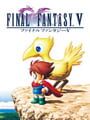 Final Fantasy V1992 · SFAM, Wii80134 ratings
- 24
 F-Zero1990 · SNES, SFAM, Arcade79192 ratings
- 25
 Super Punch-Out!!1994 · SNES, SFAM, Wii8464 ratings
- 26
 Worms1995 · SNES, Amiga CD32, Genesis/MegaDrive78214 ratings
- 27
 Fire Emblem: Genealogy of the Holy War1996 · SFAM, Wii, WiiU8647 ratings
- 28
 The Lion King1994 · SNES, SFAM, Linux77249 ratings
- 29
 Kirby's Dream Land 31997 · SNES, SFAM, Wii8269 ratings
- 30
 Rock n' Roll Racing1993 · SNES, Genesis/MegaDrive, PC8184 ratings
- 31
 Mortal Kombat II1994 · SNES, Arcade, PS376335 ratings
- 32
 Fire Emblem: Thracia 7761999 · SFAM, Wii, WiiU8932 ratings
- 33
 Illusion of Gaia1993 · SNES, SFAM8173 ratings
- 34
 Top Gear1992 · SNES, SFAM8640 ratings
- 35
 Mega Man X31995 · SNES, SFAM, WiiU78128 ratings
- 36
 Cannon Fodder1993 · SNES, Acorn Archimedes, Amiga CD328164 ratings
- 37
 Disney's Goof Troop1993 · SNES, SFAM8072 ratings
- 38
 Harvest Moon1996 · SNES, SFAM, Wii8065 ratings
- 39
 Castlevania: Dracula X1995 · SNES, SFAM, 3DS8063 ratings
- 40
 Micro Machines 2: Turbo Tournament1994 · SNES, Genesis/MegaDrive, DOS8436 ratings
- 41
 ActRaiser1990 · SNES, SFAM, Arcade7970 ratings
- 42
 Final Fight 31995 · SNES, SFAM, Wii8061 ratings
- 43
 Mario's Super Picross1995 · SFAM, Wii, WiiU8630 ratings
- 44
 Star Fox1993 · SNES, SFAM76171 ratings
- 45
 Lufia II: Rise of the Sinistrals1995 · SNES, SFAM8339 ratings
- 46
 Eye of the Beholder1991 · SNES, Lynx, Linux8242 ratings
- 47
 Desert Strike: Return to the Gulf1992 · SNES, SFAM, blackberry7966 ratings
- 48
 Wing Commander1990 · SNES, SFAM, Amiga CD328141 ratings
- 49
 Zool: Ninja of the Nth Dimension1992 · SNES, SFAM, Acorn Archimedes8334 ratings
- 50
 International Superstar Soccer Deluxe1995 · SNES, SFAM, Genesis/MegaDrive8047 ratings
About the best SNES games
The 50 best SNES games, ranked by IGDB player ratings. Super Mario World (1990) tops the list with 96/100, ahead of The Legend of Zelda: A Link to the Past (96) and Super Metroid (96). If you only play ten of the best SNES games, make it Super Mario World, The Legend of Zelda: A Link to the Past, Super Metroid, Final Fantasy III, Super Mario World 2: Yoshi's Island, Chrono Trigger, EarthBound, Super Mario Kart, Super Mario RPG: Legend of the Seven Stars and Super Castlevania IV.
SNES games FAQ
What is the best SNES game of all time?
By player ratings, Super Mario World (1990): an average of 96/100 from 2,041 players. The Legend of Zelda: A Link to the Past (1991) and Super Metroid (1994) complete the top three of the best SNES games.
How are the best SNES games ranked?
Each game's IGDB player rating is weighted by how many people rated it (a Bayesian average with a prior of 100 ratings), so a classic rated by thousands beats a game with a handful of perfect scores. Games need at least 10 ratings, and re-releases count toward the original.
Which of the best SNES games is the most played?
Super Mario World (1990) has the most player ratings on this list (2,041), a good sign of how many people played it.
Which SNES games are underrated?
The games on this list with the fewest ratings are Mario's Super Picross (1995), Fire Emblem: Thracia 776 (1999) and Zool: Ninja of the Nth Dimension (1992). They made the top 50 on score, but far fewer players have tried them.
Which year had the most of the best SNES games?
1995, with 12 games in the top 50. The list spans 1990 to 1999, and 17 of the 50 came out in the second half of that span.
How do I make a grid of my favorite SNES games?
Open the grid maker with a “My 9 SNES games” title, search each game by name (shorthands like “botw” work) or roll nine from this list at random, then download or share the 3×3 grid.
How this list is ranked: IGDB player ratings, weighted by how many people rated each game (a Bayesian average with a prior of 100 ratings), so a game with a handful of perfect scores doesn't outrank a classic rated by thousands. Only games with at least 10 ratings; editions and re-releases are folded into the original. Numbers shown are the raw average rating (0–100) and the rating count.