The best games of the 1980s
We ranked 480 1980s games that have at least 10 player ratings on IGDB. Super Mario Bros. 3 (1988) comes out on top with an average of 89/100 from 1,739 players. Hidden gem: Ultima IV: Quest of the Avatar makes #19 with only 39 ratings. The list covers releases from 1980 to 1989.
Make your “My 9 games from the 1980s” grid →- 1
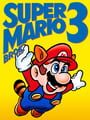 Super Mario Bros. 31988 · Arcade, 3DS, Wii891,739 ratings
- 2
 Tetris1989 · NES86942 ratings
- 3
 Super Mario Bros.1985 · fds, Arcade, 3DS841,326 ratings
- 4
 Mega Man 21989 · 3DS, Wii, WiiU85390 ratings
- 5
 Maniac Mansion1987 · C64, Atari-ST, PC87138 ratings
- 6
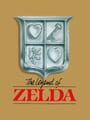 The Legend of Zelda1986 · fds, 3DS, Wii81737 ratings
- 7
 Disney's DuckTales1989 · Wii, famicom, NES84176 ratings
- 8
 Prince of Persia1989 · Apple][81268 ratings
- 9
 Tetris1989 · 3DS, Game Boy84141 ratings
- 10
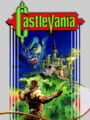 Castlevania1986 · fds, Arcade, 3DS79347 ratings
- 11
 Mike Tyson's Punch-Out!!1987 · Arcade, famicom, NES83114 ratings
- 12
 Pac-Man1980 · Arcade79267 ratings
- 13
 Ghosts 'n Goblins1985 · Arcade, C64, ZXS82107 ratings
- 14
 Ms. Pac-Man1982 · vic-20, Arcade, Atari8bit8295 ratings
- 15
 Final Fight1989 · Arcade, C64, ZXS79150 ratings
- 16
 Arkanoid1986 · Arcade80112 ratings
- 17
 Bubble Bobble1986 · Arcade79133 ratings
- 18
 Ninja Gaiden1988 · Arcade, Wii79129 ratings
- 19
 Ultima IV: Quest of the Avatar1985 · Apple][8839 ratings
- 20
 Mega Man1987 · 3DS, Wii, famicom76295 ratings
- 21
 Ghouls 'n Ghosts1988 · Arcade, Atari-ST, Amiga8175 ratings
- 22
 Phantasy Star1987 · Wii, SMS8642 ratings
- 23
 International Karate +1987 · Amiga CD32, C64, ZXS8737 ratings
- 24
 Battle City1985 · Arcade, x1, 3DS78105 ratings
- 25
 Test Drive1987 · C64, Atari-ST, DOS8732 ratings
- 26
 Super Mario Land1989 · 3DS, Game Boy74314 ratings
- 27
 Double Dragon II: The Revenge1988 · Arcade7879 ratings
- 28
 River Raid1982 · colecovision, Atari2600, Atari8bit8242 ratings
- 29
 Dungeon Master1987 · SNES, Atari-ST, DOS8626 ratings
- 30
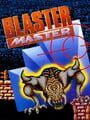 Blaster Master1988 · 3DS, Wii, famicom8237 ratings
- 31
 Lode Runner1983 · vic-20, Arcade, sg10007859 ratings
- 32
 Batman1989 · C64, ZXS, Atari-ST8044 ratings
- 33
 Bruce Lee1984 · bbcmicro, Atari8bit, C648527 ratings
- 34
 Impossible Mission1984 · bbcmicro, Atari7800, C648528 ratings
- 35
 Indiana Jones and the Last Crusade: The Graphic Adventure1989 · Linux, Atari-ST, PC7776 ratings
- 36
 The Duel: Test Drive II1989 · C64, ZXS, SNES8821 ratings
- 37
 1943: The Battle of Midway1987 · Arcade, C64, ZXS7947 ratings
- 38
 Shadowgate1987 · Atari-ST, PC, Mac8330 ratings
- 39
 The Great Giana Sisters1987 · C64, Atari-ST, Amiga8230 ratings
- 40
 Super Mario Bros.: The Lost Levels1986 · fds, 3DS, Wii74130 ratings
- 41
 Tapper1983 · Arcade8720 ratings
- 42
 Blades of Steel1987 · Arcade8231 ratings
- 43
 Final Fantasy1987 · 3DS, Wii, famicom73265 ratings
- 44
 Adventures of Lolo1989 · 3DS, Wii, WiiU7843 ratings
- 45
 Faxanadu1987 · Wii, famicom, NES8033 ratings
- 46
 Elite1984 · Acorn Archimedes, bbcmicro, C647938 ratings
- 47
 Metal Gear1987 · Wii, MSX273149 ratings
- 48
 Buster Bros.1989 · Arcade, C64, ZXS7748 ratings
- 49
 Commando1985 · Arcade, bbcmicro, Atari78007660 ratings
- 50
 Jetpac1983 · vic-20, bbcmicro, ZXS8518 ratings
About the best 1980s games
The 50 best 1980s games, ranked by IGDB player ratings. Super Mario Bros. 3 (1988) tops the list with 89/100, ahead of Tetris (86) and Super Mario Bros. (84). If you only play ten of the best 1980s games, make it Super Mario Bros. 3, Tetris, Super Mario Bros., Mega Man 2, Maniac Mansion, The Legend of Zelda, Disney's DuckTales, Prince of Persia, Tetris and Castlevania.
1980s games FAQ
What is the best game of the 1980s?
By player ratings, Super Mario Bros. 3 (1988): an average of 89/100 from 1,739 players. Tetris (1989) and Super Mario Bros. (1985) complete the top three of the best 1980s games.
How are the best 1980s games ranked?
Each game's IGDB player rating is weighted by how many people rated it (a Bayesian average with a prior of 100 ratings), so a classic rated by thousands beats a game with a handful of perfect scores. Games need at least 10 ratings, and re-releases count toward the original.
Which of the best 1980s games is the most played?
Super Mario Bros. 3 (1988) has the most player ratings on this list (1,739), a good sign of how many people played it.
Which 1980s games are underrated?
The games on this list with the fewest ratings are Jetpac (1983), Tapper (1983) and The Duel: Test Drive II (1989). They made the top 50 on score, but far fewer players have tried them.
How do I make a grid of my favorite 1980s games?
Open the grid maker with a “My 9 1980s games” title, search each game by name (shorthands like “botw” work) or roll nine from this list at random, then download or share the 3×3 grid.
How this list is ranked: IGDB player ratings, weighted by how many people rated each game (a Bayesian average with a prior of 100 ratings), so a game with a handful of perfect scores doesn't outrank a classic rated by thousands. Only games with at least 10 ratings; editions and re-releases are folded into the original. Numbers shown are the raw average rating (0–100) and the rating count.